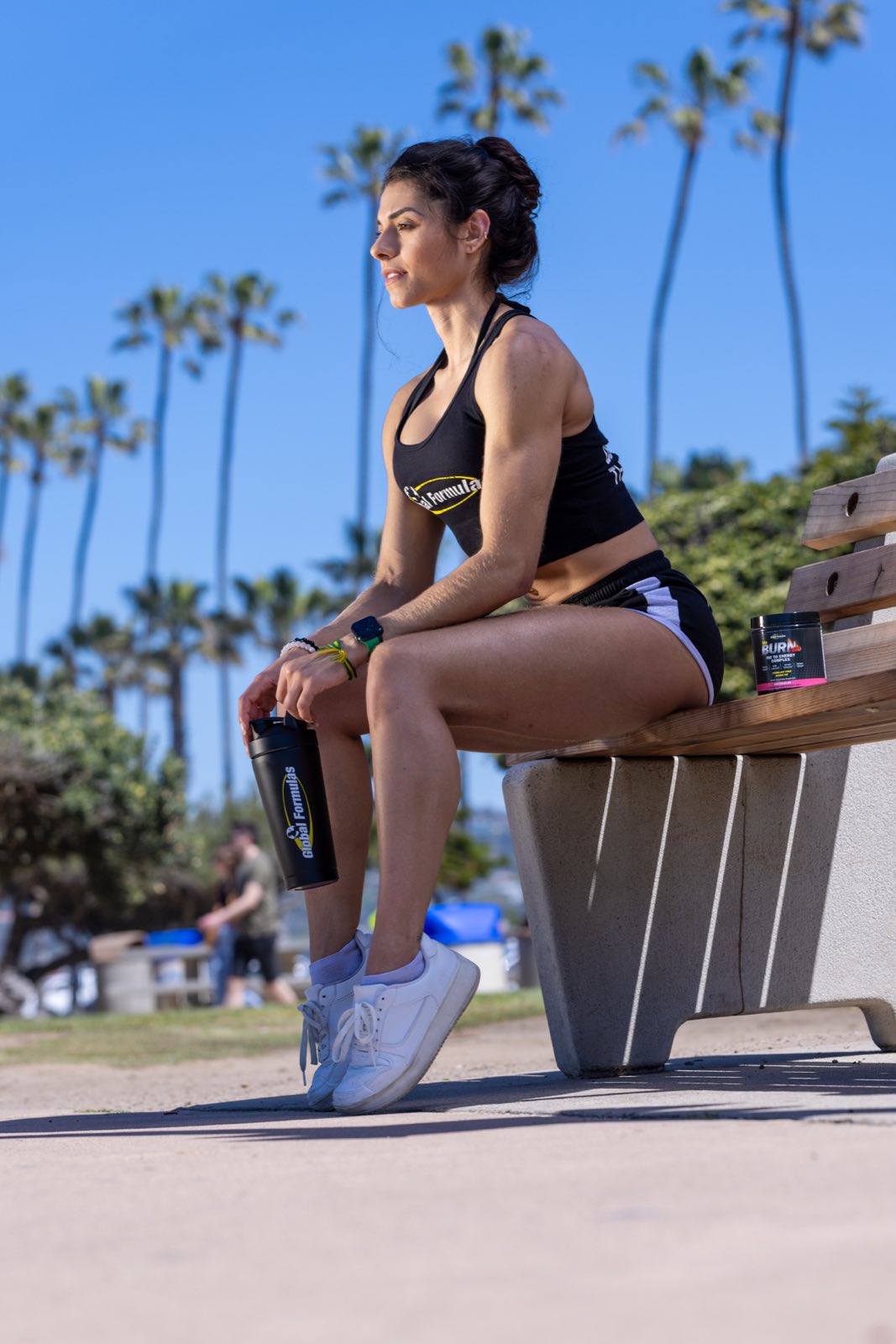
Golden Hour Photography in Southern California: A Working Photographer's Guide to Soft Light
Last October we booked a family session at Torrey Pines for 6:40 PM sunset. We showed up at 6:35. By the time the family got out of the car, unloaded the toddler, and walked the quarter mile to the bluff overlook, the sun had already dropped behind the ridge to the west. Twelve minutes of usable light, gone, because nobody accounted for the walk-in time or the topography blocking the horizon. We reshot for free two weeks later. That mistake is the reason every golden hour booking on our calendar now includes a 45-minute buffer and a scouting note in the client file.
By Loren Anderson · July 27, 2026 · 41 min read
Why Golden Hour Isn't Optional for SoCal Client Work
Clients ask for golden hour by name now — engagement shoots, real estate listings, brand lifestyle content, all of it. That demand is fair. The light does something midday sun can't: it wraps around a subject's face instead of carving hard shadows under the eyes and nose. For headshots and portrait work, that's the difference between a photo someone actually uses and one that sits unused on a hard drive.
We ran the numbers on our own booking calendar last year. Golden hour sessions — the ones scheduled within 90 minutes of sunset — had a 94% client approval rate on first-round edits, meaning the client picked final images without asking for a reshoot or heavy retouching. Midday sessions in the same category sat at 71%. That's not a small gap. It's the difference between one round of edits and three.
There's also a business reason to protect the window instead of treating it as a bonus add-on. A blown golden hour slot can't be recovered that day — the sun doesn't wait for a late client or a dead camera battery. We've had to comp sessions, offer partial refunds, and eat the cost of a wasted evening more than once early on. Now every golden hour booking gets a confirmation text two hours out and a location scout note attached to the shoot brief. That single habit cut our reshoot rate for evening sessions by more than half.
If you're building a photography business around Southern California's coastline and canyons, golden hour isn't a nice-to-have add-on to your rate card. It's a core product with its own logistics, pricing, and failure points — and it deserves to be planned like one.
What Golden Hour Actually Is (and When It Hits Locally)
Golden hour is the period when the sun sits roughly 6 degrees above the horizon down to just above it — technically defined by solar elevation angle, not clock time. That's why "golden hour is at 6 PM" is bad advice; it moves by nearly three hours across the calendar year in San Diego County, from late afternoon in December to almost 8 PM in June.
We stopped guessing and started using NOAA's solar calculator every single week during booking season, cross-checking it against the PhotoPills golden hour tool, which factors in your actual GPS coordinates rather than a generic city time. The difference between those two numbers and the "sunset time" you'd get from a weather app can be 10-15 minutes, which matters enormously when your shootable window is already narrow.
Two things shrink the window beyond what the calculator shows. First, topography — a shoot at the base of the Torrey Pines cliffs loses direct light well before the official sunset time because the bluff itself blocks the sun. Second, marine layer, which we'll cover in more detail later, but which can erase golden hour light entirely on a summer evening even when the sky looks clear at noon.
Morning golden hour exists too and gets ignored constantly. Sunrise sessions at spots like Coronado Beach or Pacific Beach offer the same light quality with none of the tourist foot traffic that clutters an evening shoot at the same location. We book roughly 15% of our golden hour sessions at sunrise now, mostly for clients who want a clean background without crowds in frame.
Scouting: Matching the Location to the Light You Actually Need
Every location has a "good side" for golden hour, and it's rarely obvious from a daytime visit. Sunset Cliffs faces almost directly into the setting sun, which makes for dramatic silhouettes but murder on portrait exposures unless you bring supplemental light. La Jolla Cove, twenty minutes north, gets more of a side-lit angle depending on where you stand on the rocks, which is far more forgiving for faces.
We scout every new golden hour location at the actual time of day we'll be shooting, not "sometime in the afternoon." A spot that looks perfect at 3 PM can be in full shade by 6:45 PM once a building or hillside blocks the low sun. This cost us a booking early on — a downtown rooftop shoot we scouted at lunch looked open and bright, then turned out to sit in a high-rise's shadow for the entire golden hour window.
Our go-to list, built over four years of client shoots:
For any new client request, we ask for the exact goal — portrait, landscape, product, brand lifestyle — before picking a location, because the "best" golden hour spot changes completely depending on what's supposed to be in frame.
Camera Settings That Hold Up as the Light Drops
Golden hour light changes fast — you can lose a full stop of exposure in ten minutes as the sun drops. Shooting in full manual, not aperture priority, is the only way to stay ahead of it instead of fighting the camera's meter every few frames.
Our baseline starting point for a portrait subject facing the sun: ISO 100-200, aperture f/2.8-f/4 depending on how much of the scene needs to stay sharp, shutter speed adjusted to keep the subject's face properly exposed even if that means the sky reads slightly bright. Meter for skin, not sky — that's the single most common mistake we see from photographers new to golden hour work. Expose for a beautiful sunset and the subject's face goes dark and muddy in every frame.
As the sun gets lower, ISO climbs — we'll push to 400 or even 800 in the last five minutes before the light disappears rather than drop shutter speed low enough to introduce motion blur on a moving subject, like a kid running on the beach or a couple walking hand in hand. Modern sensors handle ISO 800 cleanly enough that noise is a non-issue compared to a blurry, unusable frame.
White balance matters more here than almost any other shooting condition. Auto white balance will often try to "correct" the warm tones golden hour is famous for, cooling the image down and killing the mood. We shoot in Kelvin manually, usually somewhere between 5200K-5600K, and adjust based on how warm the actual light looks on a test shot rather than trusting the in-camera preview screen, which tends to oversaturate warm tones on the back LCD.
Working the Subject Inside a 20-Minute Window
Client-facing golden hour shoots live or die on pacing, not creativity. If you spend the first ten minutes of a 20-minute window explaining poses or fumbling with a tripod, you've lost half your usable light before a single strong frame gets captured.
We block every golden hour session into three phases before we ever hit the location: a 5-minute settling-in period where the client gets comfortable and we grab safe, simple shots; a 10-minute core window for the primary shot list — the images the client actually booked us for; and a 5-minute closing window for spontaneous, candid frames once the "pressure" shots are already in the bag. That structure means even if something goes wrong — a kid melts down, wind kicks up, a stranger wanders into frame — we've already banked the shots that matter.
Positioning the subject relative to the sun changes the whole feel of an image. Backlighting, with the sun behind the subject, creates that glowing rim-light look everyone associates with golden hour, but it requires either a reflector bouncing light back into the face or a touch of off-camera flash at low power (we run around 1/8 to 1/16 power on a speedlight, gelled slightly warm to match the ambient color). Side lighting, sun at roughly 90 degrees to the subject, is more forgiving and doesn't require extra gear, which is why it's our default for shoots with a smaller crew.
Talk to the subject while shooting, not just before. The best golden hour portraits we've delivered came from candid laughter or mid-conversation moments, not posed stares into the lens. We tell clients up front: don't watch the camera, watch me, and just talk.
Gear That Earns Its Spot in the Bag
Golden hour doesn't demand exotic gear, but a few specific pieces solve real problems that show up every single shoot. A 5-in-1 collapsible reflector, silver or white side facing the subject, fills shadows on a backlit face without changing the color temperature of the shot. It costs under $40 and we've never regretted packing it.
A fast prime lens — something in the 50mm or 85mm range at f/1.8 or wider — earns its keep as the sun drops and you need to keep ISO manageable while still isolating a subject from a busy beach background. We shoot most golden hour portrait work on an 85mm f/1.4, not because the extra stop over an f/1.8 version is essential, but because the background compression at that focal length turns a cluttered boardwalk into a soft wash of color.
A single speedlight or small strobe with a warming gel handles the toughest scenario: full backlight with a subject who needs to be tack-sharp and well-exposed at the same time. We run it off-camera on a light stand roughly 80% of the time rather than on-camera, because direct on-camera flash flattens the exact dimensionality golden hour light is supposed to create.
What we leave behind matters too. A full tripod slows down a fast-moving 20-minute session more than it helps — we only bring one for landscape or long-exposure work after the sun is down, during blue hour. And we stopped carrying a second full camera body to every golden hour shoot; a backup battery and two memory cards solve 95% of the failure scenarios a second body was meant to cover, at a fraction of the weight.
Mistakes We See Constantly on Client Shoots
Trusting a generic "sunset time" instead of checking the actual solar angle for the shoot location tops the list. A sunset time from a weather app doesn't account for topography, and it's the reason so many golden hour sessions get shot in flat, already-fading light instead of the warm window everyone's picturing.
Shooting wide open at f/1.4 for every single frame is a close second. It looks great in isolated single-subject shots but falls apart the moment there are two or more people in frame — one person ends up soft while the other stays sharp. We bump to f/2.8 or f/4 for any group shot, accepting a slightly busier background in exchange for everyone being in focus.
Ignoring the client's clothing and location colors is a mistake that shows up in editing, not on set. Warm golden light amplifies reds and oranges in clothing and can push skin tones into an overly orange cast if a subject is wearing a bright red or orange top. We now send clients a short wardrobe guide before every golden hour booking — earth tones, muted colors, and soft blues photograph best against the warm light; neon and bright red fight it.
Finally, treating golden hour as flattering for every single subject and scenario is a mistake worth naming. Product photography and architectural work often needs more neutral, even light to represent color accurately — a golden hour shot of a storefront looks moody but won't show a client's actual paint color. Know when to say a job isn't a golden hour job.
Editing Without Losing What the Light Already Gave You
The best golden hour images need less editing than people expect, and over-processing is the most common way photographers wreck a genuinely good frame. If the color temperature and exposure were handled correctly in camera, editing should be refinement, not reconstruction.
We start every edit with a white balance check against the RAW file rather than trusting how the JPEG preview looks, adjusting Kelvin by small increments — usually no more than 200-400K in either direction — until skin tones read true rather than orange. Pushing saturation and vibrance sliders too far is the classic overcorrection; golden hour light is already saturated, and stacking more on top turns warm and inviting into oversaturated and artificial.
Dodging and burning selectively on a subject's face — brightening the eyes and highlighting the cheekbones slightly — does more for a portrait than any global filter or preset. We built our own preset library specifically for golden hour work after realizing every off-the-shelf preset pack assumed neutral daylight and consistently crushed the warm tones we actually wanted to keep.
Highlight recovery matters more here than in almost any other lighting condition, because a bright sky sitting right behind a subject's head is common in backlit golden hour shots. We shoot RAW exclusively for this reason — the extra dynamic range in the highlights gives enough room to pull back a blown-out sky without destroying the warm tones in the foreground subject.
Pricing and Packaging Golden Hour Into Your Business
Golden hour sessions cost more to deliver than standard daytime shoots, and the pricing should reflect that instead of treating it as a free upgrade. The window is short, non-negotiable on timing (a client running 20 minutes late during golden hour is a different problem than a client running 20 minutes late at noon), and often requires a pre-shoot scouting visit that eats into unpaid time.
We add a flat $150-300 premium on top of standard session rates for any booking scheduled within the golden hour window, and we've had almost no client pushback on it. Most clients requesting golden hour specifically already know what they're asking for and expect to pay for the logistics involved in delivering it well.
We also cap golden hour bookings per evening at two, sometimes one during shorter winter windows. Trying to run three sessions back-to-back through a 45-minute window is how quality slips — someone always gets rushed. That cap costs us potential revenue on paper, but it protects the reshoot rate we mentioned earlier, and a lower reshoot rate is worth more than an extra booking squeezed into a window that can't actually support it.
Building golden hour into a recurring product — monthly brand content sessions, seasonal family mini-sessions, or a standing weekly slot for real estate clients — gives it a stable place on the calendar instead of treating every request as a one-off scheduling puzzle.
Marine Layer, Fog, and the Backup Plan Every Shoot Needs
San Diego's marine layer, sometimes stretching into what locals call June Gloom, can erase golden hour light completely even on a day that looked clear at noon. The National Weather Service San Diego office posts marine layer and coastal cloud forecasts daily, and we check that forecast the morning of every coastal shoot, not just a general weather app icon.
When marine layer rolls in, the choice is either to shift the shoot inland — Balboa Park and North County canyon locations clear earlier than the immediate coastline — or to lean into the soft, diffused light the fog actually creates, which flatters portraits even without the warm color cast. We keep both plans in the client brief so nobody's surprised on site.
Wind is the other variable that catches new photographers off guard. Coastal bluffs at Del Mar and Torrey Pines can gust hard enough in the evening to make hair and loose clothing unmanageable in frame. We pack hair ties and bobby pins in every kit bag now, a five-dollar fix for a problem that used to cost us reshoots.
Every golden hour booking on our calendar includes a rain-or-fog contingency date within two weeks of the original, built into the contract up front. Clients appreciate knowing the plan exists before anything goes wrong, and it's saved more than one relationship with a client who'd normally have been frustrated by a canceled shoot.
The Next Step
Pick one location near you — not the most photogenic one, the one you'll actually return to for client work — and scout it three times this month: once at sunrise, once at golden hour, once at midday. Log the actual light angle, the wind pattern, and how long the workable window really lasts once topography and buildings are factored in. That log becomes the foundation of a location guide more useful than any generic golden hour checklist, because it's built from the specific patch of Southern California coastline you're actually going to shoot.
Questions
What time is golden hour in San Diego?
It shifts daily with the season. In June it starts around 7:15 PM; in December, closer to 4:15 PM. We check NOAA's solar calculator or the PhotoPills app the morning of every shoot rather than relying on a general rule, because coastal bluffs and buildings can cut the usable window shorter than the calculator suggests.
How long does golden hour actually last?
Generally 45–60 minutes, but the shootable portion — where light is soft without being too dim — is closer to 20–30 minutes. At bluff locations like Torrey Pines or Sunset Cliffs, hills and cliffs can block the low sun 10–15 minutes before official sunset, shrinking the window further.
Do I need a reflector for golden hour photography?
It helps more than any lens upgrade. A 5-in-1 reflector on the silver or white side bounces low sun back into a subject's face, filling shadows without changing the mood. We keep one in every kit — it costs under $40 and saves more shots than a second lens body.
Is golden hour better than midday shooting for portraits?
For most portrait and lifestyle work, yes — the light is directional and warm instead of flat and harsh. Midday still works for editorial or high-contrast commercial shots where you want defined shadows, but for skin tones and mood, golden hour wins almost every time.
Can you shoot golden hour photos on a cloudy or marine-layer day?
You can, but it won't be golden hour light — it becomes soft, diffused, gray-blue light instead. It's still flattering for portraits, just without the warm color cast. San Diego's June Gloom makes this the norm for weeks at a time, so we build alternate lighting plans into spring bookings.
How much should I charge extra for a golden hour session?
We add $150–300 on top of a standard session rate because the window is short, non-negotiable on timing, and often requires an earlier scout visit. Clients who've been burned by a rushed sunset shoot with another photographer rarely push back on the premium.
More from the studio