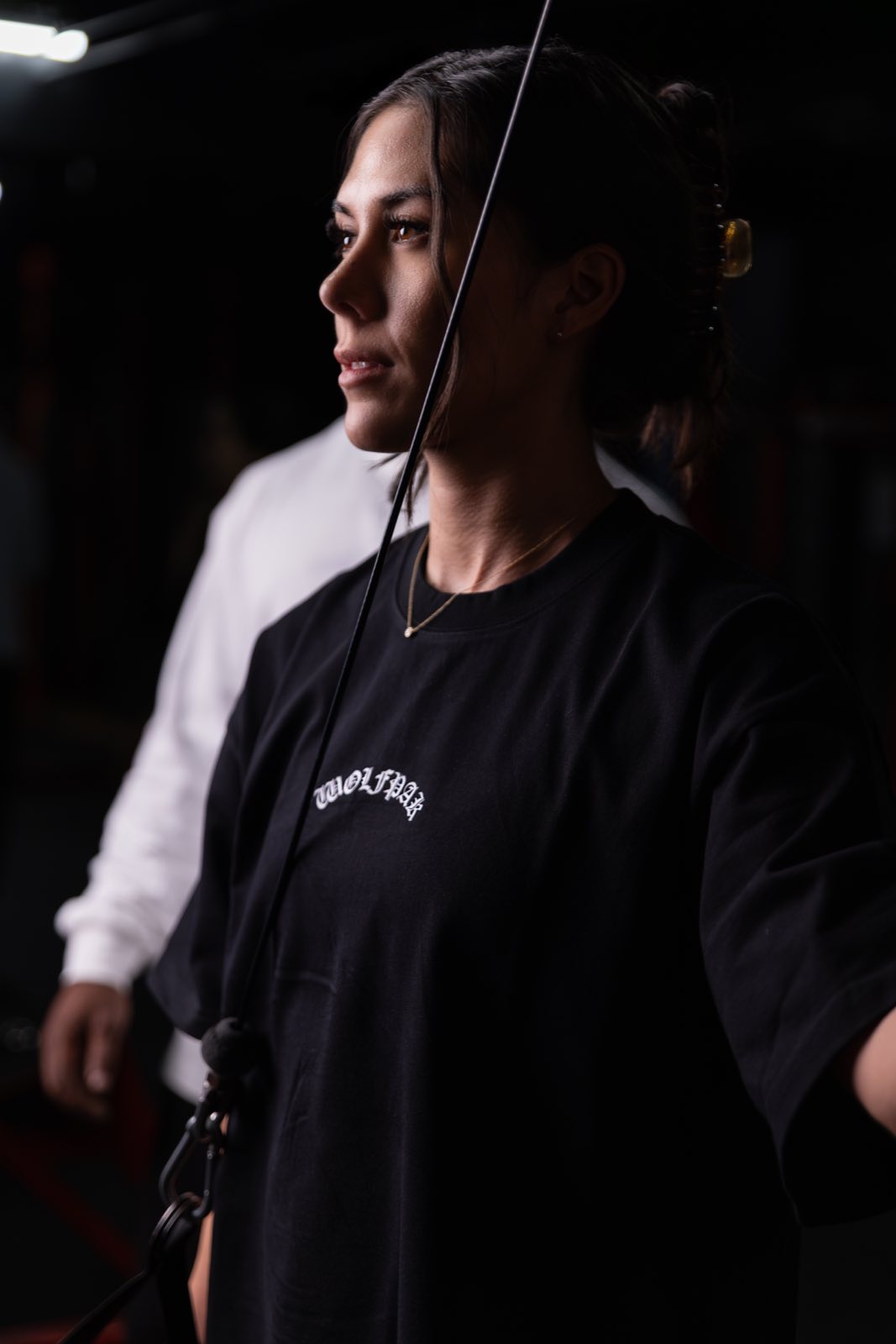
The 3-Frame Rule for Brand Photography: Hero, Detail, Context
Maria runs a functional fitness studio in Encinitas. She has been open three years, has a full class schedule, and a photographer she has worked with since day one. Her camera roll has close to a thousand brand photos. She posts four times a week. Her engagement rate sits at 1.2%. Meanwhile, the studio two blocks over — smaller, newer, fewer clients — averages 4.8% engagement with a fraction of the content. I looked at both feeds side by side for about 90 seconds before I understood what was happening. Maria shoots one kind of frame, over and over. Her competitor shoots three.
By Loren Anderson · June 10, 2026 · 30 min read
What Is the 3-Frame Rule for Brand Photography?
The framework is built on three frame categories:
The rule does not prescribe lighting setups or camera specs — it prescribes intention. Before you press the shutter, you should know which of these three you are making. If you cannot answer that question, you are probably about to shoot a fourth hero frame when what you actually need is a detail.
The goal is to walk away from every shoot with at least one of each for every primary subject. If you are shooting a personal trainer, you need a hero of the trainer, a detail of something that shows their craft, and a context that shows where they work. That is one complete triplet. Build your shot list in triplets and your visual library starts to function as a system instead of a pile of photos.
The Hero Frame — Your Subject, Uninterrupted
The hero frame is the one most brands default to — sometimes exclusively. It is a clean, subject-dominant shot where nothing competes with your main element. For a fitness brand, that is your trainer looking into camera with a simple background. For a food business, it is the dish on a clean surface with controlled light. For a retail brand, it is the product centered, sharp, and isolated from visual noise.
What separates a good hero from a flat one is not megapixels — it is light direction and compression. When we shoot brand photography for fitness clients in San Diego, we start before 8am whenever possible. The light coming through east-facing windows at a gym in Bankers Hill or Hillcrest at 7am has a warmth and directionality that a softbox on a Tuesday afternoon cannot replicate. The window acts as a giant natural modifier. Put your subject 3 to 6 feet from the glass, flag the far side if you are getting too much wrap, and you have a hero frame that costs nothing in additional gear.
For the compression that makes a subject pop off the background — that quality where the person or product reads clearly at thumbnail size — an 85mm lens at f/1.8 does exactly what you need. The background separates, the subject stays sharp, and the frame works at the small sizes where most of your audience will actually see it first. Wide lenses include the environment. Long lenses isolate. For a hero shot, you are isolating.
Hero frames live on your website above the fold, your Google Business profile cover photo, and as standalone Instagram posts. They are the entry point. They do not need to tell the whole story — that is what the other two frames are for.
The Detail Frame — The Shot That Earns Trust
The detail frame is the one most brands skip. It takes longer to see, requires slowing down during a shoot, and feels less obvious on a shot list. It is also the frame that does the heaviest trust-building work, because it shows the audience that you care about specifics — and specifics are what separate a real business from a generic one.
For a fitness brand, the detail frame might be chalk residue on a barbell knurl. It might be a coach's hand on a client's lower back during a deadlift correction — not the full lift, just the hands and the point of contact. It might be the texture on a competition rope, the hand-stamped logo on a leather weightlifting belt, or a single drop of condensation on a shaker bottle sitting on a rubber gym floor at 6am. None of these tell the full story. That is the point. They tell a very small, specific story — and specific stories are what make brands feel real.
Detail frames also carry practical SEO value. When you are writing blog content — training guides, nutrition posts, program breakdowns — you need supporting images that are not just more hero shots. A detail frame of a foam roller, shot at close range with strong sidelighting, is a better supporting image than any stock photo. It is yours, it is specific, and it signals to readers and search engines that you actually know the subject.
In execution: move within 12 to 18 inches of your subject. You do not need a macro lens. Most camera systems can focus close enough at f/2.8 to f/4 to produce a sharp, compelling detail frame. Side lighting reveals texture better than any other angle. In a gym, a strobe through a gridded modifier at 45 degrees will show every grain of chalk, every weld seam on a barbell, every fiber in a leather strap. In natural light, a window positioned to the side of the subject does the same job for free.
Plan for 4 to 6 distinct detail frames per shoot. They are fast — 5 to 8 minutes per subject — but they require explicit inclusion in the shot list. If they are not written down, they will not happen.
The Context Frame — Where Your Brand Lives
The context frame is the wide shot. It shows your space, your neighborhood, your culture. It answers the question: where does this happen? For SoCal brands, that question has a genuinely good answer, and most of them are not using it.
If you run a fitness studio in Pacific Beach with a parking lot that catches the sunrise behind the ocean, that is not background detail — that is a brand differentiator. If your gym is in a converted warehouse in Barrio Logan with exposed concrete and hand-painted murals, that texture is part of what you are selling. If your rooftop yoga studio in Kearny Mesa has a skyline view on a clear morning, that view belongs in your visual library. The context frame captures what no headline can say.
For fitness brands specifically, the context frame is where the culture shows up. An empty gym at 5:45am with chalk on the floor, weights racked, and one coach prepping for the day tells a story about your operation that a thousand words of website copy cannot touch. A packed class mid-workout, shot from a high angle that shows the full room moving together, tells a different story — about community, about energy, about what it physically feels like to be in that space.
Wide lenses earn their keep here. A 24mm or 35mm lets you capture the full environment without distortion becoming a distraction. Shoot from a corner to maximize depth. Shoot from a high position to show the layout of the floor. Shoot from the street if your exterior is part of your identity — the facade of a Carlsbad or Solana Beach studio with a bike-lined sidewalk and local foot traffic is a context frame that does location-specific work every time someone sees it.
Context frames belong in your Google Business Profile photo gallery, which directly affects how your listing appears in local search results, as well as your website About page, your Yelp listing, and as the wide establishing frame at the top of a Reel or YouTube Short. They orient the viewer before the story starts.
Building Your Shot List in Triplets
The practical application of the 3-frame rule is a shot list organized by subject, not by frame type. Most photographers default to shooting all hero frames first, then looping back for detail and context — which means detail and context get cut every time the shoot runs long. Flip the structure: organize by subject, and for each subject, plan all three frames before moving to the next one.
Here is what a triplet-based shot list looks like for a fitness brand shoot day:
For a 3-hour shoot day structured this way, you can realistically complete 4 to 5 full triplets — 12 to 15 finished images with clear placement intent. If you have been measuring shoots by total images delivered, stop. Measure in complete triplets instead. Forty hero frames is not a better outcome than 12 triplets. Triplets give you a usable content system. Forty hero frames give you a lot of the same image and nowhere new to put any of them.
How the 3-Frame Rule Changes Your Content Calendar
The downstream effect of shooting in triplets is that your content calendar stops being a quarterly scramble. When you have Hero, Detail, and Context frames for every primary subject, you have natural variation for every platform and every placement type — and you stop making the mistake of using a website hero shot as an Instagram carousel slide just because you have nothing else.
Here is how the frames map to real placements:
A brand that shoots in triplets twice per year has enough visual content to run a consistent, placement-appropriate content calendar for 12 months. A brand that shoots 80 hero frames twice per year has a lot of photos and a very narrow range of places to put them.
The secondary effect is brand consistency. When your visual library includes all three frame types — shot at similar times of day, with coherent light, across connected locations — your feed and your website start to look like a system rather than a collection. That consistency is what builds audience trust over time. Not because anyone consciously notices it, but because their eye settles when they arrive at your content instead of moving on.
Brief Your Photographer Before the Shoot — In Writing
The most common failure mode in brand photography is not bad light or wrong lens choice. It is not briefing the photographer. If your shot list says "lifestyle photos of trainer," you will get whatever your photographer defaults to — which is almost always hero frames, because they are fast, clean, and easy to deliver. Detail and context frames require more setup, more repositioning, and more time per subject. Without a written brief, they get deprioritized.
A one-page shot list solves this. Before every shoot, list your subjects. For each subject, write down all three frames. Be specific: "Detail: coach's hands adjusting a client's squat at the bottom position, shot from the client's left side, tight on both hands." That specificity takes 10 minutes to write. It saves 30 minutes of on-set back-and-forth and prevents you from leaving the studio without the frames you actually needed.
Brief the timing too. Detail frames need directional sidelighting — plan them for when the light in your space is doing the right thing, not when it is flat overhead at noon. Context frames that include people need your gym running at full energy. Do not schedule the community context shot during an empty slot unless you specifically want the quiet-morning story. Match frame type to time of day and to the energy of the space you are trying to show.
One practical habit: do a card check with your photographer at the halfway point of the shoot. Pull up the images, review by subject, and confirm you have all three frame types covered for each completed subject. If you are three subjects in and have zero detail frames, you still have time to course-correct. By the time you are reviewing a delivered gallery, it is too late.
Start With One Subject This Week
If you have not been shooting in triplets, you do not need to overhaul your entire content library this month. Pick one subject — the service, product, or person that does the most work for your brand — and shoot all three frames for that subject only. Hero, detail, context. One complete triplet, planned and executed with intention. See what happens to how you can actually use those three images compared to anything else in your current library.
For most fitness business owners who try this, the detail frame is the revelation. It is the frame they have never had, and it is often the one that drives the most engagement — because nobody else in their market is showing that level of specificity. Your audience has seen a hundred clean hero shots of coaches and gym floors. They have not seen the chalk on the knurl at 5:58am before anyone else arrives, or the coach's hands on a barbell at the moment before the set. Shoot that one. Then pull the analytics after 30 days and compare it to your last ten hero posts.
Questions
What is the 3-frame rule in brand photography?
The 3-frame rule is a shot-planning framework that organizes every brand photography shoot around three frame types: Hero (a clean, subject-dominant shot), Detail (a tight closeup showing craft or quality), and Context (a wide environmental shot showing where the brand operates). Shooting one of each for every primary subject produces a complete visual system rather than a folder of near-identical photos.
How many photos should I get from a brand photography shoot?
More useful than counting total images is counting complete triplets — one Hero, one Detail, and one Context frame per primary subject. A 3-hour shoot day structured around triplets should produce 4 to 5 complete sets, or 12 to 15 finished images with clear placement intent. That outcome is more functional than 50 frames of the same hero shot.
What is the difference between a hero shot and a lifestyle photo in brand photography?
A hero shot isolates your primary subject — clean background, dominant composition, nothing competing for attention. A lifestyle or context frame places your brand in its real-world environment and shows culture, energy, and setting. Hero frames belong on website banners and standalone posts; context frames belong on Google Business Profile galleries, About pages, and Reels thumbnails.
How do I write a shot list for a brand photography shoot?
Organize your shot list by subject, not by frame type. For each subject, list all three frames — Hero, Detail, and Context — before moving to the next subject. Be specific: 'Detail: coach's hands adjusting a client's squat at the bottom position, shot from the client's left side, tight on both hands.' That level of specificity takes 10 minutes to write and saves 30 minutes of on-set confusion.
Why does my brand photography get low engagement on Instagram?
Low engagement usually comes from shooting only hero frames with no visual variation. When every post reads the same way, the eye stops responding. Detail frames are the highest-trust, highest-engagement frame type for most fitness and service brands because they show specificity that stock photos cannot replicate. Add detail frames, track performance for 30 days, and compare the numbers to your hero-only baseline.
How do context frames in brand photography help with local SEO?
Google Business Profile photos directly influence how your listing displays in local search results. Context frames — wide environmental shots showing your space, exterior, or neighborhood — are the right photo type for your GBP gallery. A photo showing your Carlsbad or Solana Beach studio with the street visible does geographic SEO work by visually confirming your location to both users and the algorithm.
More from the studio